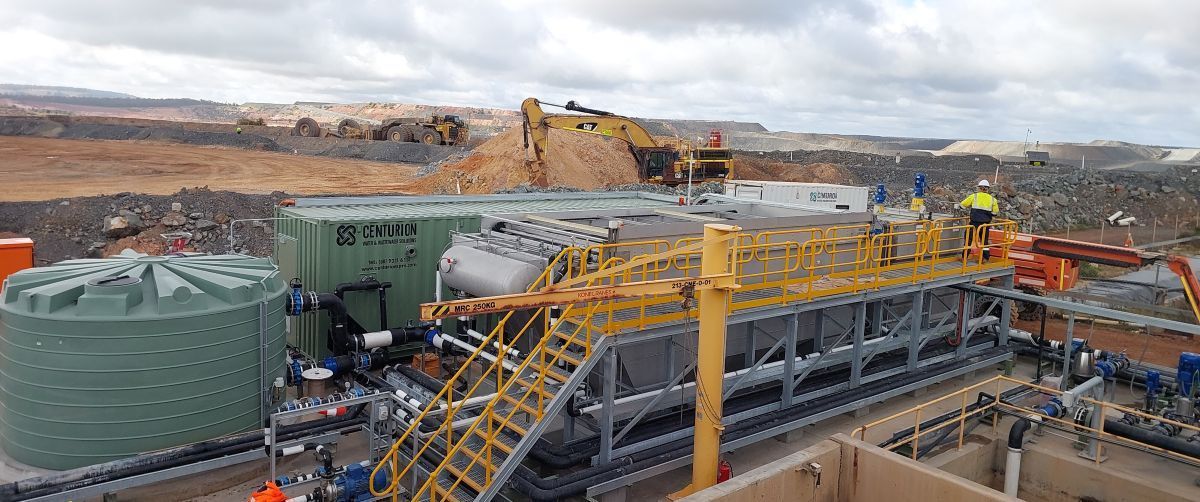
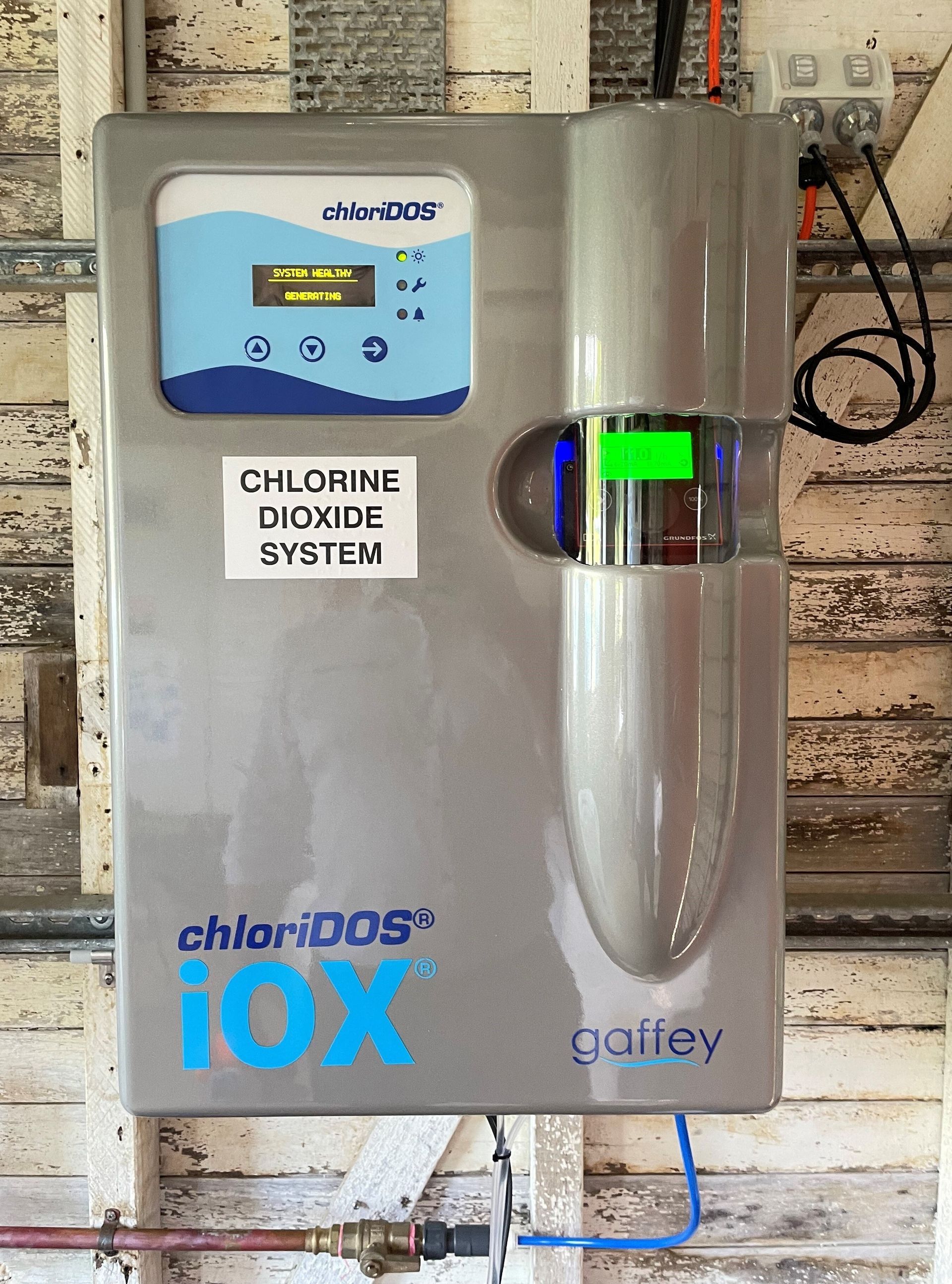
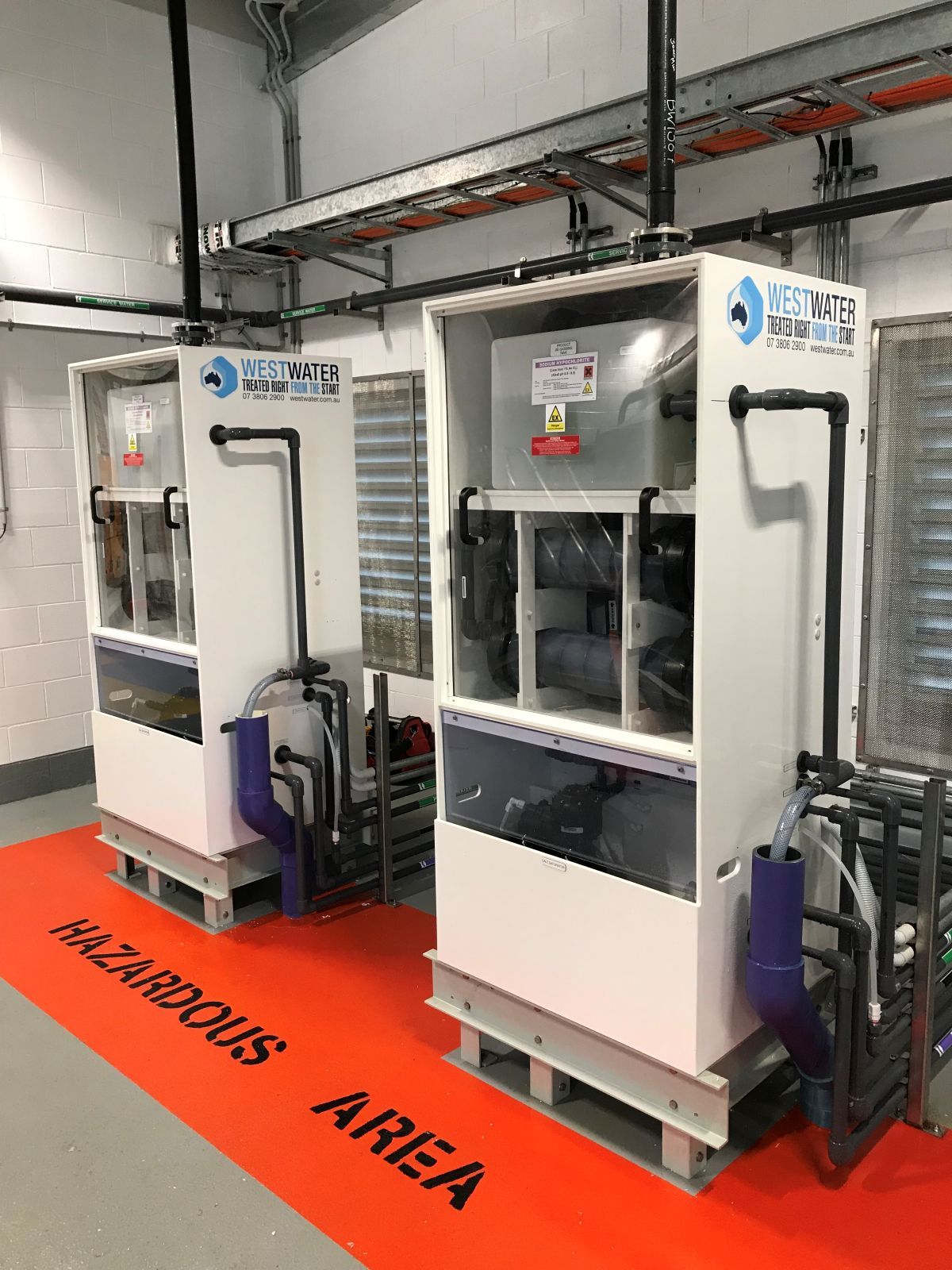
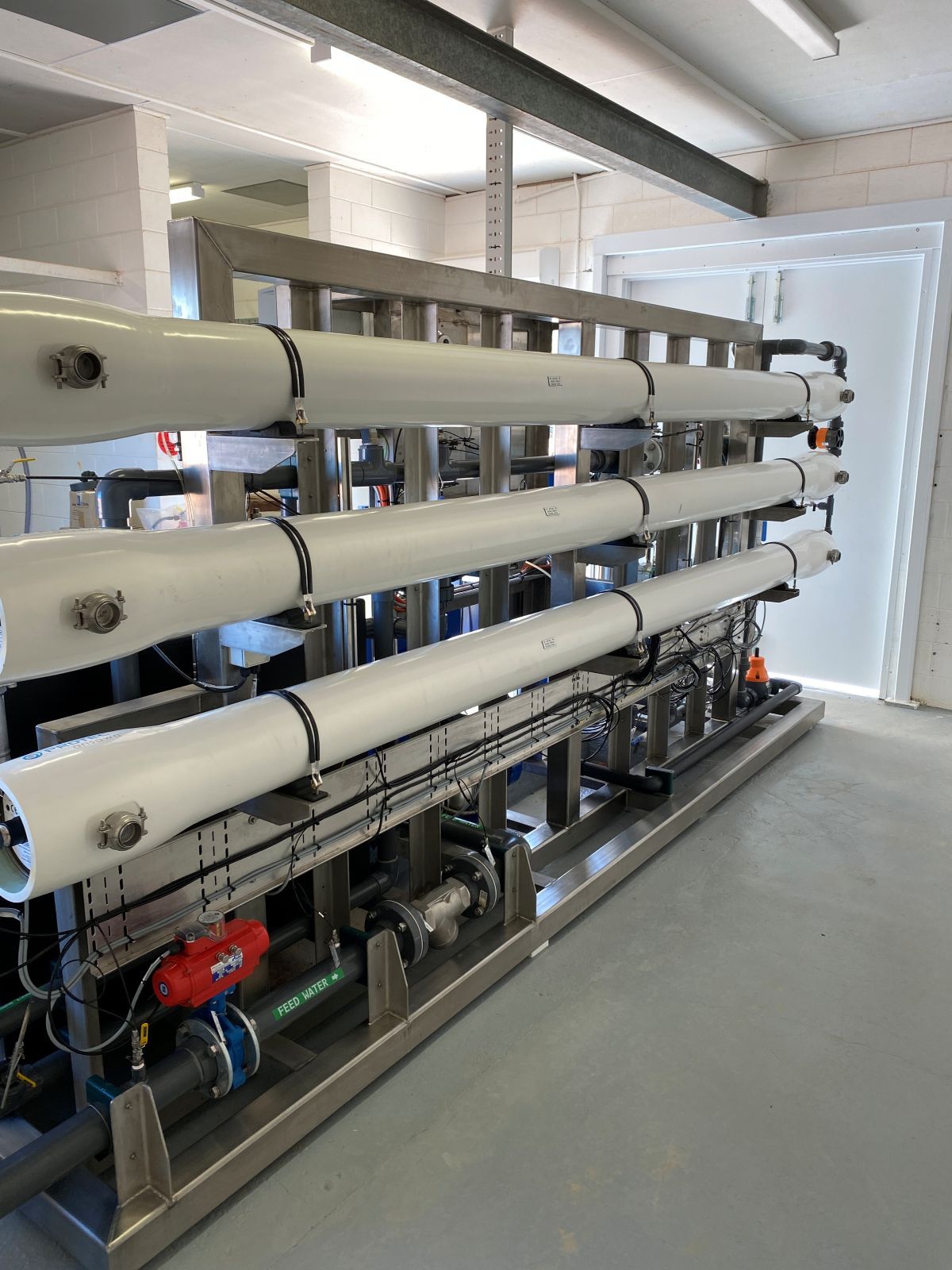
The team at WestWater (a Centurion company) delivered critical upgrades to the Wauchope water treatment plant and Rosewood Reservoir, designing a new chlorine gas facility and modernising the Sodium Hypochlorite dosing system. The works increased treatment capacity to 21ML/day while improving safety, compliance, and reliability for long-term community needs.
Scope of Work
A local council in New South Wales required urgent upgrades to its water treatment infrastructure to keep pace with growing community demand.
The client faced two critical issues:
- Capacity at the Wauchope Water Treatment Plant (WTP) had recently been increased from 7ML/day to 21ML/day. This placed significant pressure on the existing chlorination system during peak periods.
- The Rosewood Reservoir’s Sodium Hypochlorite dosing facility was in poor condition, with infrastructure urgently needing remediation to maintain safe and reliable operations.
Execution
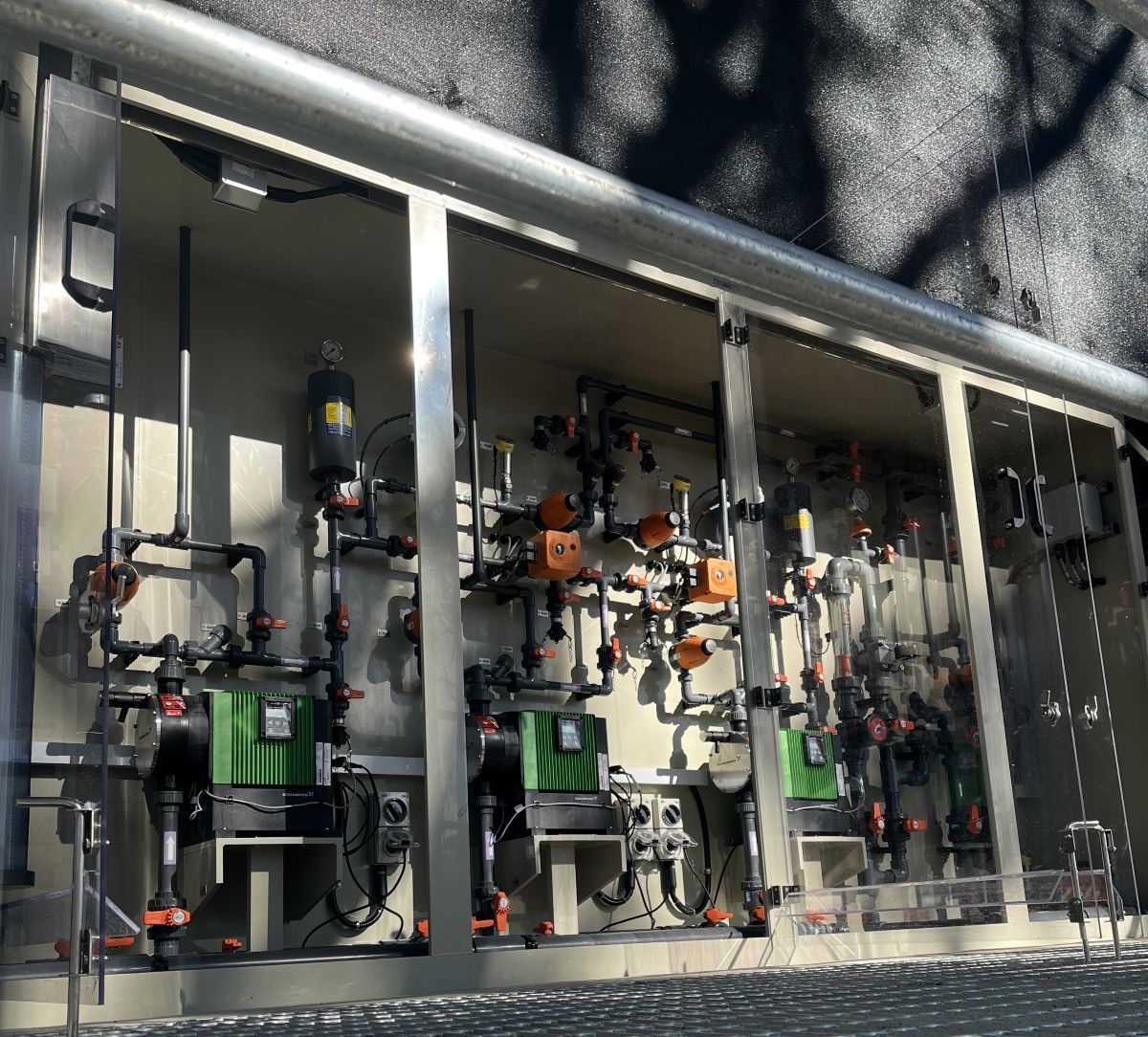
The team at WestWater designed and constructed a new chlorine gas facility at the Wauchope water treatment plant to meet higher daily demand and provide a more robust disinfection process.
In parallel, we partnered with a local construction company to upgrade the Sodium Hypochlorite dosing facility at Rosewood Reservoir. This included:
- Demolition of the existing brick building.
- Construction of a new shed to house the updated dosing system.
- Reuse of existing hypochlorite storage and dosing infrastructure where possible.
These works improved safety for operations and maintenance personnel while ensuring compliance with all relevant codes and standards.
Outcome & Value Delivered
Through practical design, construction, and collaboration with local contractors, WestWater delivered critical upgrades to the Wauchope WTP and Rosewood Reservoir.
- A fully operational chlorine dosing system, designed and built to Australian codes and standards.
- Increased treatment capacity at Wauchope WTP to reliably meet 21ML/day demand.
- Safer, modernised dosing facility at Rosewood Reservoir with improved working conditions for operators.
- Extended life and functionality of existing hypochlorite infrastructure through selective reuse.
The result was a safer, more reliable chlorination process that supports both the growing community and long-term operational needs.