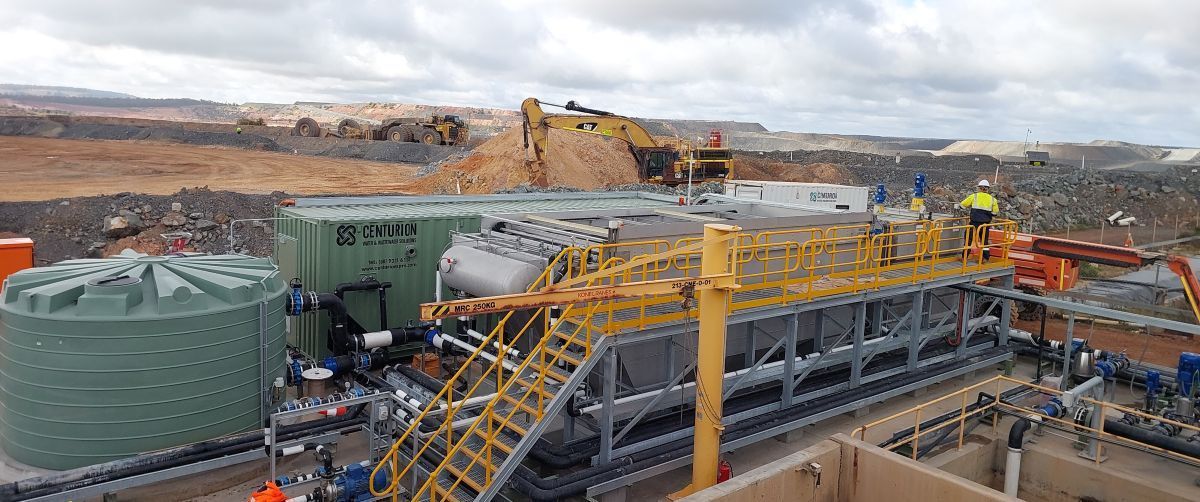
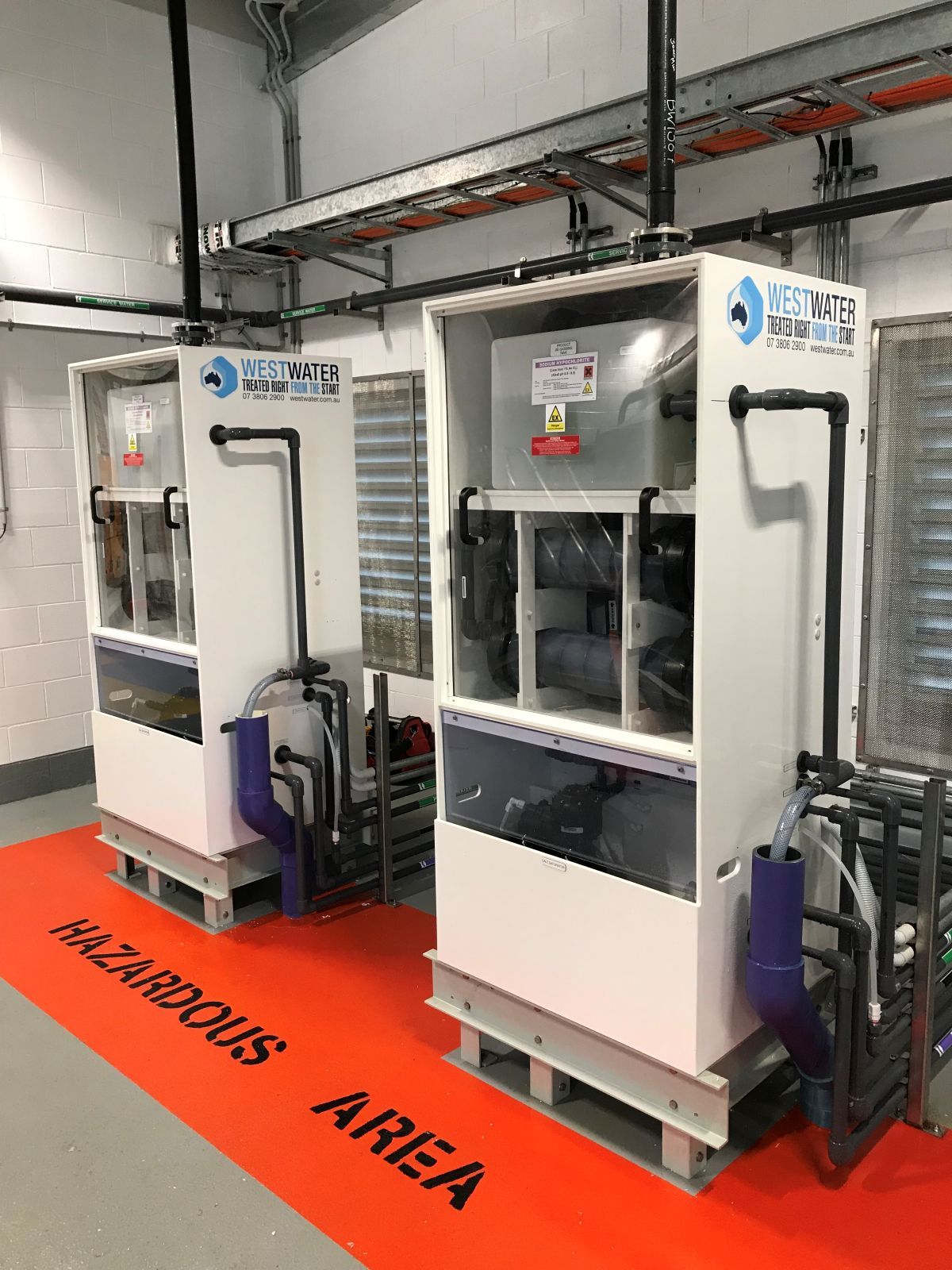
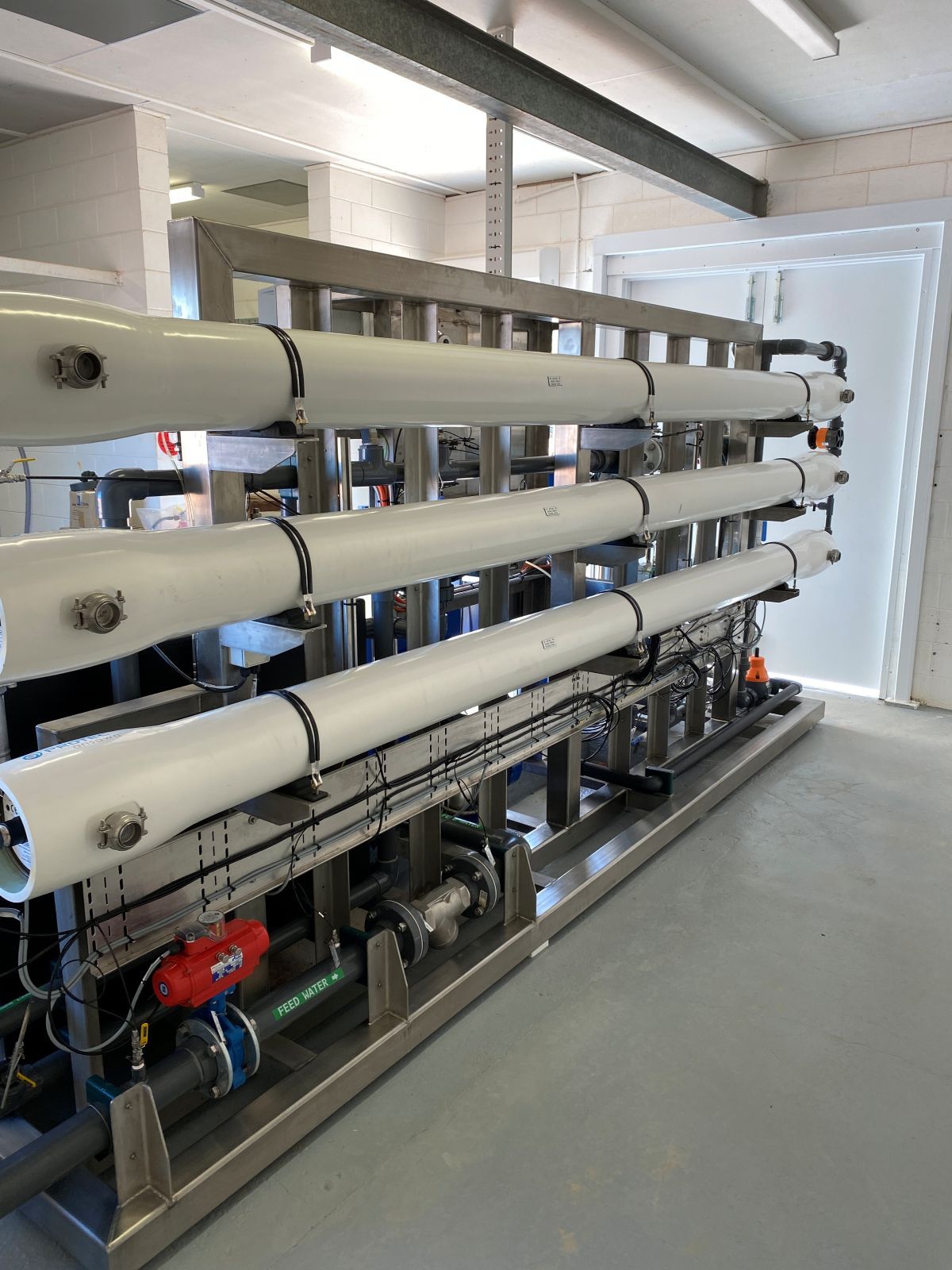
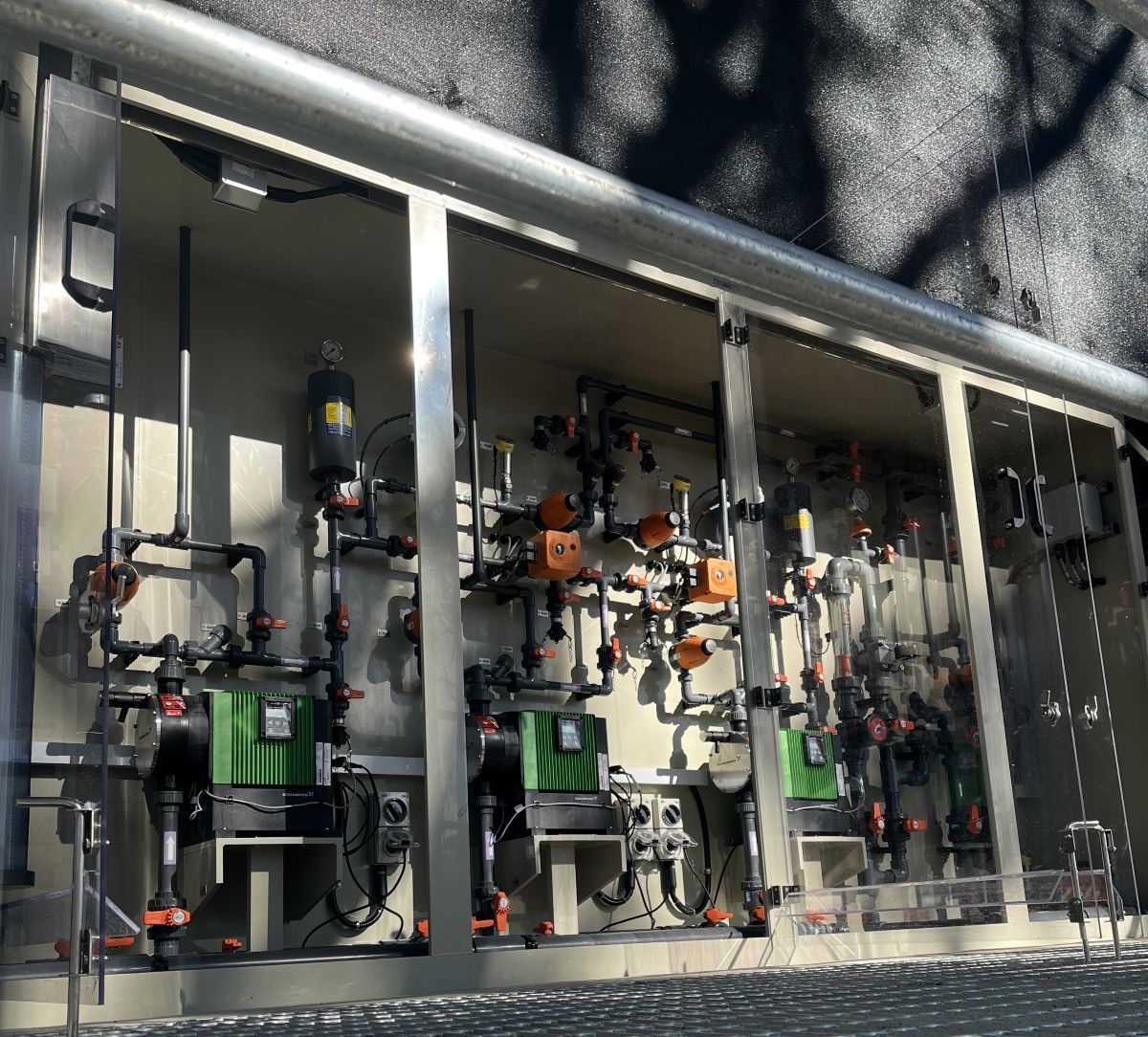
Centurion’s Water & Wastewater Solutions business line delivered a modular Sequencing Batch Reactor (SBR) wastewater treatment system for an LNG project outside Port Moresby in Papua New Guinea, designed to support a growing workforce and integrate seamlessly with existing infrastructure. A key success was the reuse of three existing 150 kL tanks, which reduced capital costs, shortened delivery time and lowered the project’s footprint, important advantages for remote sites. The staged system scales from 500 to 750 EP, with durability, efficiency and future expansion built into the design. The treatment plant was ready for operation in November 2025.
Scope of Work
- Options to reuse infrastructure – cost-effective use of existing infrastructure was a priority to reduce overall capital expenditure.
- Scalable, versatile design – the solution needed to integrate with the existing Hides Gas Conditioning Plant (HGCP) SBR system and support future capacity increases
- Fluctuating camp populations – workforce fluctuations required a system capable of handling significant variation in flow and load
- Material durability – all infrastructure had to withstand harsh environmental conditions, necessitating high-grade stainless-steel materials
- Reliability and minimal operator involvement – the plant needed to operate reliably with minimal manual operation
Execution
Centurion delivered a comprehensive wastewater treatment solution with a focus on modularity, durability, and efficiency:
500 EP SBR Wastewater Treatment Plant
- Modular design similar to the existing HGCP SBR system for seamless integration
- Tanks fabricated from 316 stainless steel for superior durability in challenging environments
- Engineered for easy operation and maintenance.
250 EP Expansion Module
- Scale the existing system’s capacity from 500 EP to 750 EP
- Includes a 90m³ balance tank (316 stainless steel) and an anoxic/aerobic tank constructed from carbon steel with a chemical-resistant coating
- Integration with existing infrastructure, including the sewage pumping station, sludge storage, and treated effluent tanks.
Utilization of existing tanks
- Repurposed three existing 150 kL tanks from the original construction plant, delivering major cost and time savings
- Integrated legacy tanks seamlessly into the new SBR system, avoiding the need for new capital works
- Used adaptive engineering to modernize exiting infrastructure
- Reduced site disruption and accelerate delivery time while maintaining compliance.
- Delivered a more sustainable, value focused solution
- Provided strong commercial advantages for remote projects – lower expenditure and faster delivery
Outcome & Value Delivered
- Repurposed three existing 150 kL tanks, reducing capital costs, speeding up delivery and lowering the project footprint
- Modular scalability - the system has been designed to allow staged capacity increases, starting with 500 EP and scaling to 750 EP without disrupting operations
- Operational reliability - the SBR technology is engineered to provide consistent performance with minimal operator input
- Long-term durability - use of high-grade stainless steel and chemical-resistant coatings will support system longevity and compliance in harsh conditions
- Reduced manual handling - upgrades such as the IBC dosing system will improve safety and reduce manual chemical handling on site
- Effluent reuse and water savings - the disposal system is designed to HGCP specifications, enabling potential for spray field reuse and reduced freshwater consumption
- Cost efficiencies - reusing the existing sludge dewatering system from the 500 EP plant will minimize additional capital investment
Centurion has delivered a modular, high-performance wastewater treatment plant tailored to the evolving needs of our client’s LNG project in PNG. With durable construction, scalable design and seamless integration of both new and existing assets, the project offers long-term reliability and value. Reusing the three existing 150 kL tanks reduced capital costs, accelerated delivery and lowered the site footprint, key advantages in a remote location. Together, these elements have produced a fully compliant, efficient and cost-effective solution for the client.